Why Mice and Rats Seek Shelter in Piedmont Attics Every Fall
Discover why mice and rats migrate into Raleigh and Piedmont attics as autumn temperatures drop, the risks they bring, and how to protect your roofline.
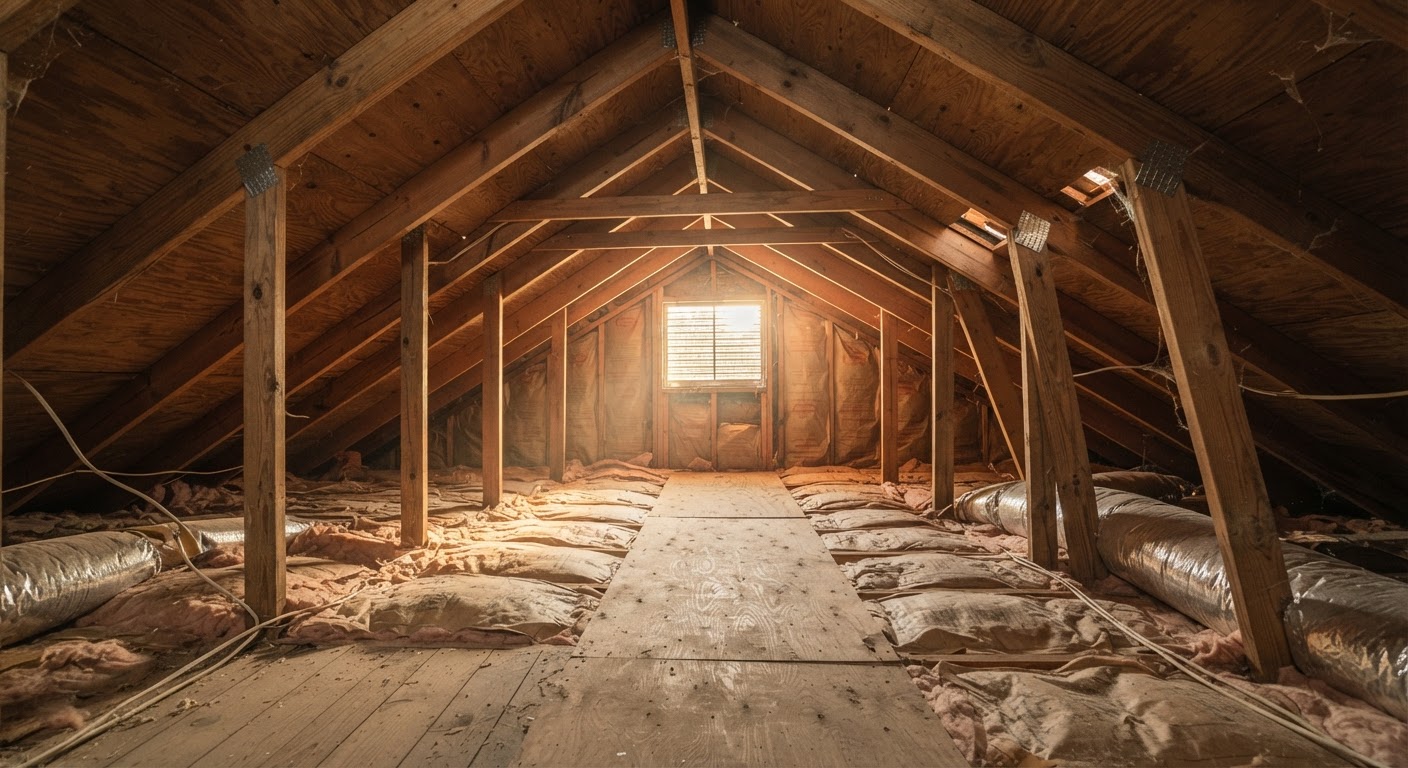
As autumn arrives across the North Carolina Piedmont, the change in season brings crisp morning air, falling leaves, and vibrant foliage. However, that same drop in outdoor temperature sets off a quiet, urgent migration among local wildlife. For rodents such as house mice, deer mice, and roof rats, the arrival of fall signals that natural food sources are dwindling and survival depends on finding warm, secure winter harborages. In Raleigh and surrounding communities, home attics frequently become prime real estate for these unwelcome guests.
The Piedmont Autumn Shift: What Drives Rodents Indoors
Rodents do not hibernate. When nighttime temperatures dip in September, October, and November, their primary instinct is to seek environments that provide steady warmth, protection from wind and moisture, and proximity to food. The Piedmont climate creates specific conditions that make homes particularly vulnerable during this window.
During late summer, rodents flourish in thick underbrush, fields, and garden borders throughout Wake County. As deciduous trees drop their leaves and agricultural fields clear out, outdoor ground cover vanishes. At the same time, native food sources shift. While the oak canopy drops an abundance of acorns, foraging on the ground leaves small mammals exposed to predatory hawks, owls, and foxes. Attics provide an elevated haven that mimics the safety of high tree hollows while remaining completely shielded from the elements.
Why Attics Make the Ultimate Winter Nesting Site
To a rat or mouse, an attic is essentially a temperature-regulated sanctuary loaded with nesting resources. Several structural features make residential attics across the Piedmont especially attractive:
- Rising Heat: Because warm air naturally rises, residential attics stay significantly warmer than the ambient outdoor temperature, even before home heating systems run at full capacity.
- Abundant Insulation: Fiberglass, cellulose, and foam board insulation offer perfect materials for burrowing, nesting, and keeping newborn litters warm. Rodents easily shred standard insulation to line their nests.
- Zero Predator Pressure: Once inside, rodents are safe from outdoor predators. In an unfinished or rarely visited attic, they can feed, nest, and breed without disruption.
- Direct Access to Living Spaces: Interior wall voids act as rodent highways, allowing animals to travel quietly down from the attic to kitchens, pantries, and pet bowls on lower floors.
Which Rodents Are Invading Raleigh Rooflines?
Not every rodent behaves the same way. Understanding which species target the upper levels of a home helps explain how they get there in the first place.
Roof Rats (Rattus rattus)
True to their name, roof rats are agile climbers that spend much of their lives above ground level. With Raleigh known as the "City of Oaks," our mature tree canopies, creeping vines, and overhead utility lines offer roof rats seamless aerial pathways to gutters, eaves, and dormers. Roof rats are sleek, have tails longer than their bodies, and naturally prefer high nesting sites over crawlspaces or basements.
House Mice (Mus musculus) and Deer Mice (Peromyscus maniculatus)
Mice are opportunistic survivors. Because of their tiny size—needing an opening no wider than a pencil—they can scale exterior brick, downspouts, siding corners, and rough timber to enter through architectural vents. Once inside an attic, mice establish territories quickly and reproduce rapidly throughout the winter months.
Common Points of Entry Along the Roofline
Most homeowners assume rodents enter near foundation walls or ground-floor doors. While crawlspaces are certainly vulnerable, the roofline offers numerous subtle vulnerabilities that rodents routinely exploit:
- Gable and Ridge Vents: Vents designed to allow air circulation often feature plastic louvers or thin insect screening that rodents can chew through or pull aside with ease.
- Soffit Gaps and Fascia Rot: Summer humidity and seasonal rainstorms can soften fascia boards and loosen soffit panels. Even a quarter-inch separation where the roof meets the gutter line provides enough room for a mouse to squeeze inside.
- Plumbing and Exhaust Stacks: Roof penetrations for plumbing vents, dryer vents, and HVAC exhaust often have small perimeter gaps beneath the metal flashing.
- Chimney Flashing and Roof Dormers: The junctions where roof planes intersect or where roofing materials meet brick chimneys frequently possess slight voids concealed beneath shingles.
Signs Rodents Have Moved into Your Attic
Because attics receive little daily foot traffic, early signs of an infestation often go unnoticed until numbers have grown. Homeowners should stay alert for the following indicators as temperatures drop:
- Nocturnal Sounds: Scratching, scurrying, or thumping noises directly overhead in ceilings late at night or right before dawn.
- Damaged Insulation: Displaced batting, compressed pathways, or tunneling visible across loose-fill insulation near the eaves or center walkways.
- Droppings: Small, dark pellets scattered along ceiling joists, near storage boxes, or around perimeter framing.
- Unusual Pet Behavior: Dogs or cats staring intently at specific ceiling areas, crown molding, or corner walls, reacting to sounds humans cannot hear.
- Musty Odors: A stale, ammonia-like scent originating from rodent urine that wafts down into closets or top-floor hallways.
The Concealed Dangers of Attic Infestations
Allowing rodents to overwinter in an attic poses serious structural and health risks. Mice and rats have continuously growing incisors, forcing them to chew constantly on hard surfaces to keep their teeth trimmed. In an attic, this gnawing behavior is frequently directed at wooden framing, PVC pipes, and electrical wiring. Damaged wiring inside attic voids represents a hidden fire risk that requires immediate intervention.
Furthermore, rodent waste contaminates insulation and surrounding building materials. Feces and dried urine can harbor pathogens and trigger indoor allergen sensitivities, which circulate throughout the living space via ductwork and attic air leaks.
Preventing Fall Rodent Intrusions
Keeping rodents out of Piedmont attics requires a proactive approach focused on exclusion and habitat modification before cold weather sets in permanently:
- Prune Overhanging Limbs: Cut back tree branches at least six to eight feet away from your roofline to eliminate natural jumping platforms for roof rats and squirrels.
- Reinforce Vent Openings: Replace lightweight insect screens on gable, soffit, and ridge vents with heavy-gauge galvanized steel hardware cloth (quarter-inch mesh or smaller).
- Seal Gaps and Penetrations: Use a combination of steel wool or metal mesh and exterior-grade sealant to close gaps around plumbing stacks, flashing, and trim joints.
- Store Items in Plastic: Avoid storing cardboard boxes in the attic, as cardboard absorbs moisture and provides easy nesting material. Opt for sealed, hard-plastic storage containers instead.
Professional Attic Inspections in Raleigh
Once rodents establish a foothold in an attic, simple snap traps or store-bought repellents rarely solve the underlying problem. An effective long-term solution requires identifying every entry point, safely removing existing pests, and sealing the structure against future intrusions.
If you suspect rodents have taken up residence in your attic this fall, Brimstone Grove Pest Control provides thorough residential rodent inspections, targeted removal, and durable exclusion services designed to protect your Raleigh home all winter long.
Need help from Brimstone Grove Pest Control?
Contact our team to discuss your service needs in Raleigh and surrounding service areas.